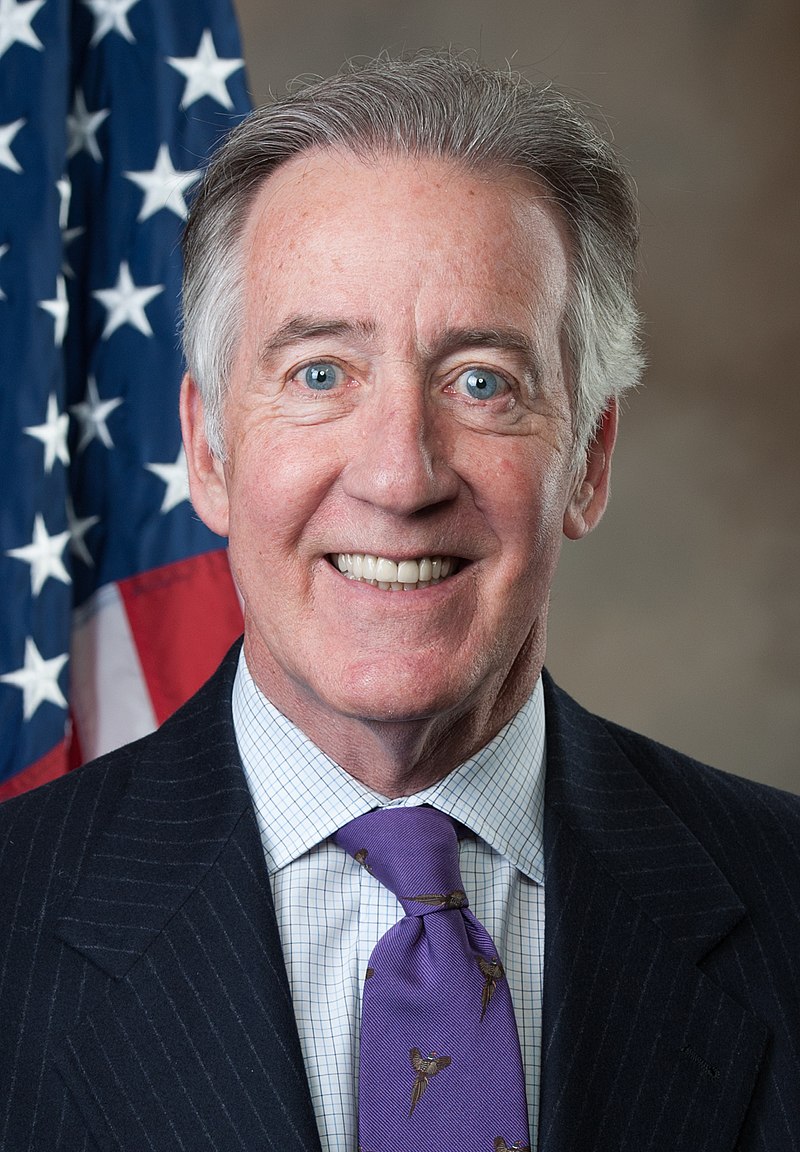
Richard Neal

Richard Neal is a seasoned Democratic politician who has represented Massachusetts's 1st congressional district since 1989. He currently serves as the Chairman of the House Ways and Means Committee, where he plays a key role in shaping tax policy and overseeing social security and healthcare programs. Neal has been influential in various legislative efforts, particularly concerning economic growth and public health.
Born on Feb 14, 1950 (76 years old)
Global Media Ratings
Countries Mentioned
| Country | Mentions | Sentiment | Dominance | + Persistence | x Population | = Reach | x GDP (millions) | = Power |
|---|---|---|---|---|---|---|---|---|
| United States | 2 | 4.00 | 0.27% | +0% | 331,002,651 | 903,145 | $21,000,000 | 57,299$ |
| Ukraine | 1 | 5.00 | 0.24% | +0% | 43,733,762 | 103,881 | $155,000 | 368$ |
| Totals | 3 | 374,736,413 | 1,007,026 | $21,155,000 | 57,667$ |
Interactive World Map
Each country's color is based on "Mentions" from the table above.
Recent Mentions
 Ukraine:
Richard Neal is another Democratic congressman who criticized the sanctions bill.
5
Ukraine:
Richard Neal is another Democratic congressman who criticized the sanctions bill.
5
 United States:
Rep. Richard Neal is the ranking member of the House Ways and Means Committee and warned against the bill.
3
United States:
Rep. Richard Neal is the ranking member of the House Ways and Means Committee and warned against the bill.
3
United States:
Rep. Richard Neal expressed concerns during debate on the bill regarding the president's tariff authority.
5
 United Kingdom:
Richard Neal criticized the use of 'forced labor' as a pretext for tariff policies.
5
United Kingdom:
Richard Neal criticized the use of 'forced labor' as a pretext for tariff policies.
5
 Romania:
Richard Neal is a congressman who warned about the implications of the sanctions bill.
4
Romania:
Richard Neal is a congressman who warned about the implications of the sanctions bill.
4
 China:
Richard Neal criticized the justification for tariffs based on forced labor as overly strained.
4
China:
Richard Neal criticized the justification for tariffs based on forced labor as overly strained.
4
 Uruguay:
Richard Neal criticized the justification for tariffs based on forced labor.
4
Uruguay:
Richard Neal criticized the justification for tariffs based on forced labor.
4
Uruguay:
Richard Neal criticized the justification for tariffs based on forced labor.
3
United Kingdom:
Richard Neal, the top Democrat on the US House ways and means committee, accused Trump's administration of using forced labor to prop up their strategy.
3
United Kingdom:
Richard Neal argued that the forced labour justification for tariffs was too convenient to be taken seriously.
3