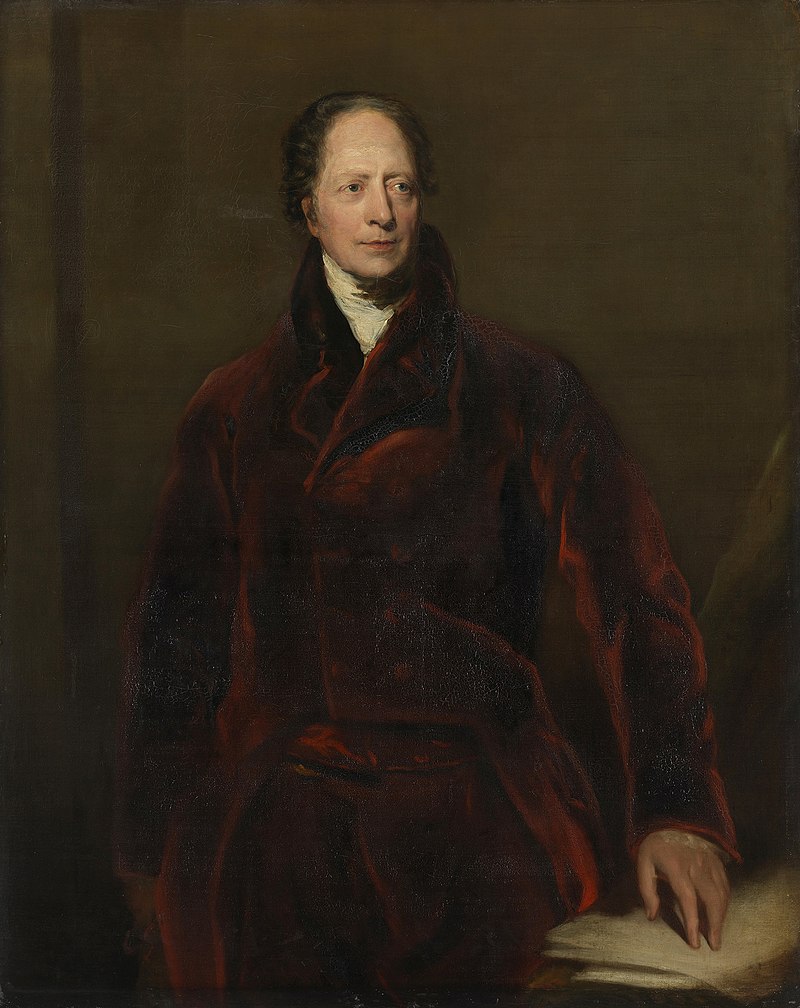
Wilhelm von Humboldt

Wilhelm von Humboldt was a German philosopher, linguist, and government functionary who played a pivotal role in the development of the modern education system. He is best known for his ideas on Bildung, or self-cultivation, which emphasized the importance of personal development and the integration of knowledge and experience as a lifelong process.
Born on Jun 22, 1767 (259 years old)
Global Media Ratings
Countries Mentioned
No country-level mention data available.
Interactive World Map
Each country's color is based on "Mentions" from the table above.
Recent Mentions
 Switzerland:
Wilhelm von Humboldt expressed concerns about Rome becoming modern and losing its value as a place of longing.
5
Switzerland:
Wilhelm von Humboldt expressed concerns about Rome becoming modern and losing its value as a place of longing.
5
 Germany:
Wilhelm von Humboldt is quoted regarding the importance of language for integration.
7
Germany:
Wilhelm von Humboldt is quoted regarding the importance of language for integration.
7
 Sweden:
Wilhelm von Humboldt's ideas about education emphasize the importance of broad learning and academic freedom.
8
Sweden:
Wilhelm von Humboldt's ideas about education emphasize the importance of broad learning and academic freedom.
8
 Panama:
Wilhelm von Humboldt proposed a vision of education that advocated for a holistic approach with a particular emphasis on research.
8
Panama:
Wilhelm von Humboldt proposed a vision of education that advocated for a holistic approach with a particular emphasis on research.
8
 Jamaica:
Wilhelm von Humboldt contributed the concept of Bildung, the formation of the whole person.
8
Jamaica:
Wilhelm von Humboldt contributed the concept of Bildung, the formation of the whole person.
8
 South Africa:
Wilhelm von Humboldt argued that the university must serve not only as a centre for scientific advancement but as a catalyst for national development and personal growth.
8
South Africa:
Wilhelm von Humboldt argued that the university must serve not only as a centre for scientific advancement but as a catalyst for national development and personal growth.
8
 United Kingdom:
Wilhelm von Humboldt is the other aristocratic brother associated with the naming of the oak tree Dicke Marie.
8
United Kingdom:
Wilhelm von Humboldt is the other aristocratic brother associated with the naming of the oak tree Dicke Marie.
8
Sweden:
Wilhelm von Humboldt is mentioned as a significant contributor to the concept of Bildung.
7