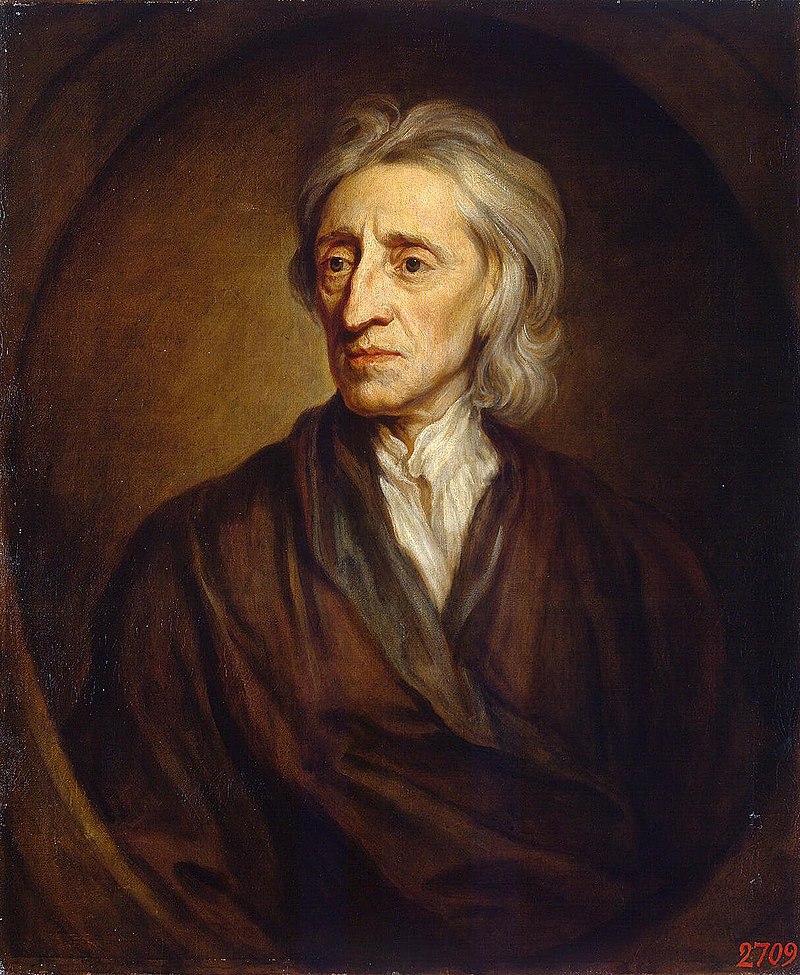
John Locke

John Locke (1632-1704) was a prominent English philosopher and physician, often regarded as the father of liberalism. His work on the theory of knowledge and the concept of the mind as a 'tabula rasa' greatly influenced modern philosophy and the development of psychology. Locke's ideas about the social contract and individual rights laid the groundwork for modern democratic thought and inspired the Enlightenment, making him a pivotal figure in Western intellectual history.
Born on Aug 29, 1632 (394 years old)
Global Media Ratings
Countries Mentioned
| Country | Mentions | Sentiment | Dominance | + Persistence | x Population | = Reach | x GDP (millions) | = Power |
|---|---|---|---|---|---|---|---|---|
| Peru | 1 | 5.00 | 0.24% | +0% | 32,971,846 | 77,948 | $230,000 | 544$ |
| United Kingdom | 1 | 5.00 | 0.11% | +0% | 67,886,011 | 77,407 | $2,700,000 | 3,079$ |
| Totals | 2 | 100,857,857 | 155,355 | $2,930,000 | 3,623$ |
Interactive World Map
Each country's color is based on "Mentions" from the table above.
Recent Mentions
 United Kingdom:
The philosopher John Locke was a shareholder in the Royal African Company.
5
United Kingdom:
The philosopher John Locke was a shareholder in the Royal African Company.
5
 Peru:
John Locke es un filósofo inglés.
5
Peru:
John Locke es un filósofo inglés.
5
 Guatemala:
John Locke warned that property does not originate from the state, but from labor.
7
Guatemala:
John Locke warned that property does not originate from the state, but from labor.
7
 Indonesia:
John Locke was a philosopher whose ideas on liberalism and government influenced economic thought.
8
Indonesia:
John Locke was a philosopher whose ideas on liberalism and government influenced economic thought.
8
 Romania:
John Locke is considered the first English empiricist, focusing on the sources of knowledge.
7
Romania:
John Locke is considered the first English empiricist, focusing on the sources of knowledge.
7
 Switzerland:
John Locke's ideas on property and labor are referenced in the context of economic thought.
7
Switzerland:
John Locke's ideas on property and labor are referenced in the context of economic thought.
7
Peru:
John Locke is considered the father of modern political philosophy and influenced the founding fathers.
8
 Panama:
John Locke is mentioned as one of the thinkers who conceived the idea of separation of powers during the Enlightenment.
7
Panama:
John Locke is mentioned as one of the thinkers who conceived the idea of separation of powers during the Enlightenment.
7
Indonesia:
John Locke argued that the people hold natural rights that cannot be infringed upon, such as the right to life, liberty, and property.
7
Panama:
John Locke defended the natural rights of individuals and argued for limited political power.
7