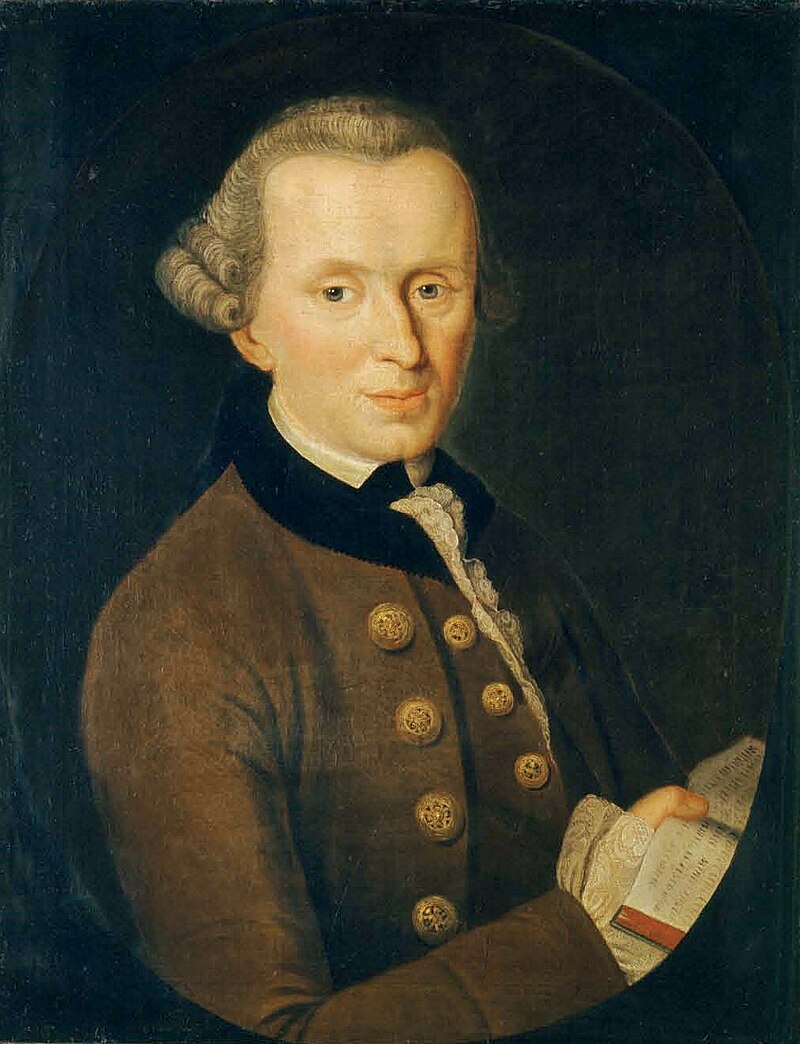
Immanuel Kant

Immanuel Kant was a pivotal figure in the Enlightenment, known for his profound influence on modern philosophy, particularly in epistemology, ethics, metaphysics, and aesthetics. Born on April 22, 1724, in Königsberg, East Prussia, he spent his entire academic career at the University of Königsberg, where he became a professor and later a leading thinker. Kant's rigorous approach to philosophy emphasized the importance of reason and autonomy in moral decision-making, famously urging individuals to 'dare to know' and think independently. His works, including the 'Critique of Pure Reason' and the 'Critique of Practical Reason,' laid the groundwork for contemporary philosophical thought, earning him the title of the father of modern ethics and aesthetics. He passed away on February 12, 1804, leaving behind an enduring legacy that continues to shape philosophical discourse.
Born on Apr 22, 1724 (302 years old)
Global Media Ratings
Countries Mentioned
No country-level mention data available.
Interactive World Map
Each country's color is based on "Mentions" from the table above.
Recent Mentions
 Ecuador:
Immanuel Kant envisioned a community of states governed by norms to achieve lasting peace.
8
 Italy:
Immanuel Kant is referenced as a philosopher who sought moral order and perpetual peace.
8
 Switzerland:
Immanuel Kant is mentioned in the context of his ideas about God and morality.
5
 Ireland:
German philosopher Immanuel Kant said that 'everything has either a price or a dignity'.
5
 Romania:
Kant is a pivotal figure in modern philosophy, known for his works on epistemology and ethics.
9
Switzerland:
Immanuel Kant is mentioned for his critique of Burke's ideas on the sublime.
6
 North Macedonia:
Immanuel Kant's theory is contrasted with utilitarianism regarding justice and moral considerations.
7
 Costa Rica:
Immanuel Kant's ethical thought emphasizes the intrinsic dignity of human beings, making them irreplaceable.
9
 Luxembourg:
Immanuel Kant is referenced for his ideas on a peaceful community of nations.
7
 Uruguay:
Immanuel Kant is referenced by Arendt as a thinker who believed that thinking transcends knowledge and is not limited to any particular subject.
8