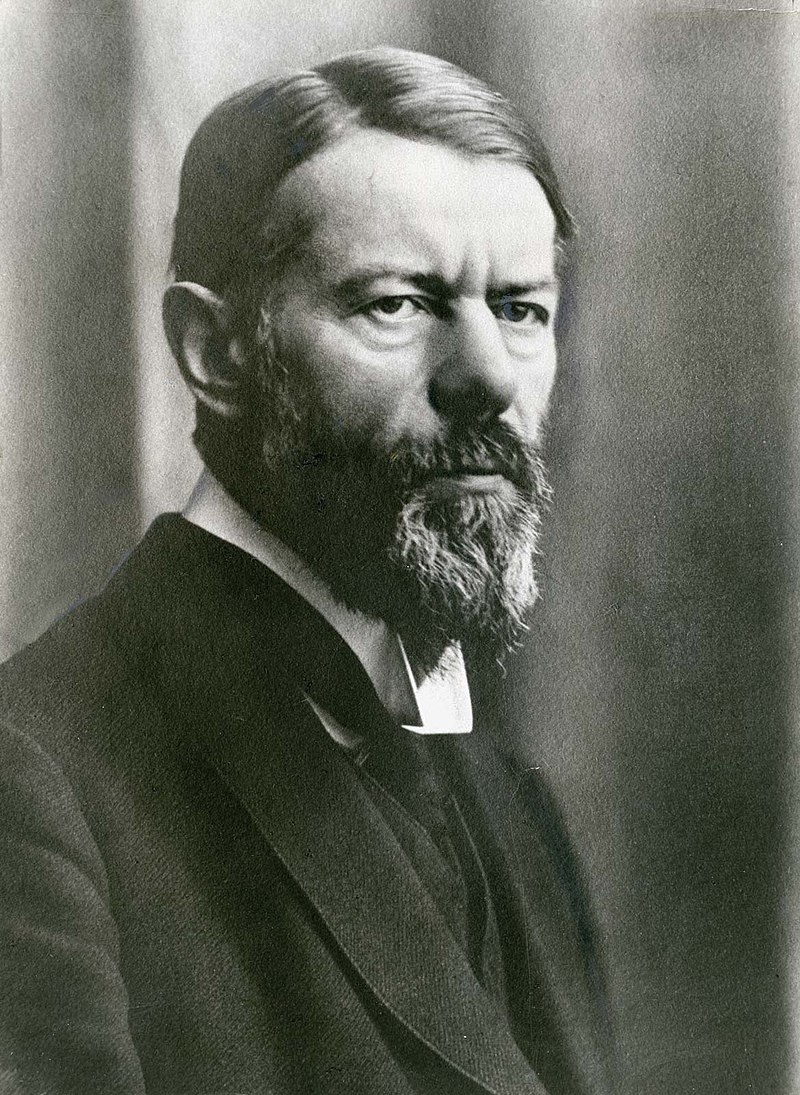
Max Weber

Max Weber (1864-1920) was a German sociologist, philosopher, and political economist, recognized for his profound contributions to social theory and methodology. His analysis of the relationship between religion and capitalism, particularly in his seminal work 'The Protestant Ethic and the Spirit of Capitalism,' highlighted how cultural values can influence economic behavior. Weber introduced key concepts such as 'Verstehen' (interpretive understanding) and 'ideal types,' which have become foundational in sociological research. His work on bureaucracy and authority remains influential in understanding modern organizational structures, making him a pivotal figure in the development of social sciences.
Born on Apr 21, 1864 (162 years old)
Global Media Ratings
Countries Mentioned
| Country | Mentions | Sentiment | Dominance | + Persistence | x Population | = Reach | x GDP (millions) | = Power |
|---|---|---|---|---|---|---|---|---|
| Mexico | 1 | 8.00 | 0.36% | +0% | 128,932,753 | 463,787 | $1,200,000 | 4,317$ |
| Totals | 1 | 128,932,753 | 463,787 | $1,200,000 | 4,317$ |
Interactive World Map
Each country's color is based on "Mentions" from the table above.
Recent Mentions
 Mexico:
Max Weber is mentioned for his concept of the state's monopoly on violence.
8
Mexico:
Max Weber is mentioned for his concept of the state's monopoly on violence.
8
 Switzerland:
Max Weber is referenced for his view on bureaucracy as the 'rationalest form of governance'.
5
Switzerland:
Max Weber is referenced for his view on bureaucracy as the 'rationalest form of governance'.
5
 Iran:
Max Weber's concept of charisma and its survival after a leader's death is discussed.
6
Iran:
Max Weber's concept of charisma and its survival after a leader's death is discussed.
6
 Ireland:
Max Weber was a 20th-century thinker preoccupied with the erosion of individual human freedom.
5
Ireland:
Max Weber was a 20th-century thinker preoccupied with the erosion of individual human freedom.
5
Switzerland:
Max Weber is mentioned as a former finance minister who resigned after a lost vote.
5
 Argentina:
Max Weber expressed a willingness to do anything to rid Germany of the Treaty of Versailles.
5
Argentina:
Max Weber expressed a willingness to do anything to rid Germany of the Treaty of Versailles.
5
 Germany:
Max Weber described the characteristics of bureaucratic authority over 100 years ago.
8
Germany:
Max Weber described the characteristics of bureaucratic authority over 100 years ago.
8
 Indonesia:
Max Weber reminded that charisma does not stand alone but requires ongoing legitimacy and social trust.
7
Indonesia:
Max Weber reminded that charisma does not stand alone but requires ongoing legitimacy and social trust.
7
Indonesia:
Max Weber reminded that charisma does not stand alone but requires ongoing legitimacy and social trust.
7
 Romania:
Max Weber is mentioned as an author who highlighted the importance of work supported by education and continuous learning.
8
Romania:
Max Weber is mentioned as an author who highlighted the importance of work supported by education and continuous learning.
8