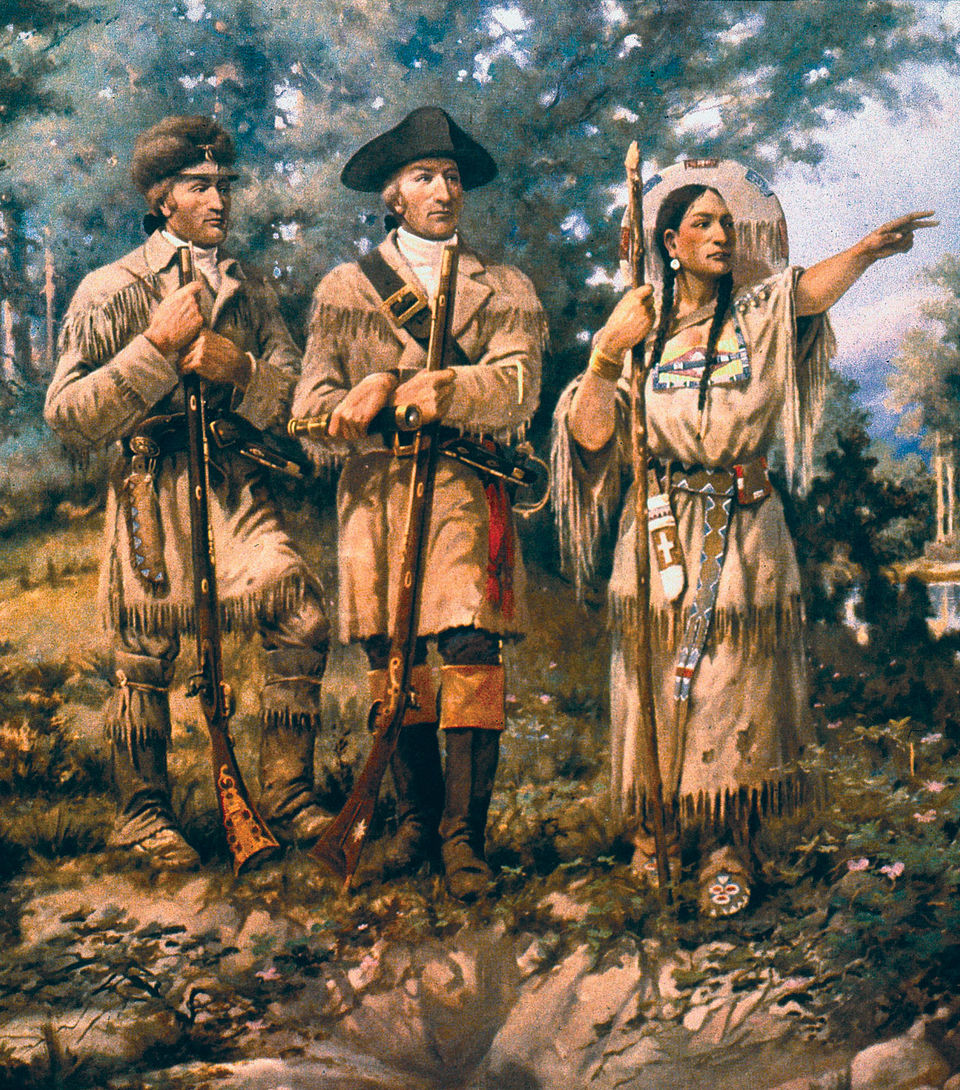
Sacagawea

Sacagawea was a Shoshone woman who played a crucial role as a guide and interpreter for the Lewis and Clark Expedition from 1804 to 1806. Born around 1788 in present-day Idaho, she was kidnapped by a rival tribe and later married a French-Canadian fur trapper, Toussaint Charbonneau. Her knowledge of the land and languages greatly assisted the expedition in navigating the uncharted western territories of the United States. Sacagawea is often celebrated for her bravery and resilience, and she became an enduring symbol of American exploration and female strength. Her contributions helped facilitate communication and foster relationships with Native American tribes, making her an essential figure in American history.
Born on May 01, 1788 (238 years old)
Global Media Ratings
Countries Mentioned
No country-level mention data available.
Interactive World Map
Each country's color is based on "Mentions" from the table above.
Recent Mentions
 Switzerland:
Sacagawea, a Native American interpreter and guide, accompanied the Lewis and Clark Expedition.
8
Switzerland:
Sacagawea, a Native American interpreter and guide, accompanied the Lewis and Clark Expedition.
8
 United States:
Photo cards show Harriet Tubman, Martin Luther King Jr., the Wright Brothers, Susan B. Anthony, Clara Barton and Sacagawea.
9
United States:
Photo cards show Harriet Tubman, Martin Luther King Jr., the Wright Brothers, Susan B. Anthony, Clara Barton and Sacagawea.
9
United States:
The garden will feature life-size renderings of figures like Sacagawea who contributed to America's heritage.
9