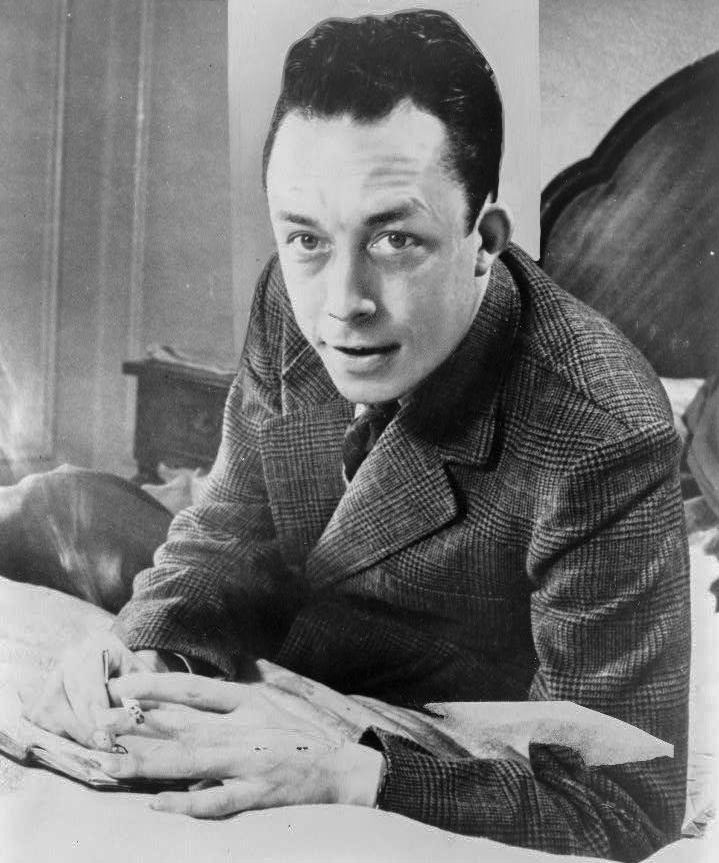
Albert Camus

Albert Camus was a French philosopher, author, and journalist born on November 7, 1913, in Mondovi, Algeria. A prominent figure in 20th-century literature, he is best known for his works that explore themes of absurdism and existentialism, including 'The Stranger' and 'The Myth of Sisyphus.' Camus received the Nobel Prize in Literature in 1957 for his significant contribution to literature and thought. His experiences in Algeria, particularly during World War II, deeply influenced his writing and philosophical outlook. Camus's legacy endures as he remains a central figure in discussions of morality, meaning, and the human condition.
Born on Nov 07, 1913 (112 years old)
Global Media Ratings
Countries Mentioned
| Country | Mentions | Sentiment | Dominance | + Persistence | x Population | = Reach | x GDP (millions) | = Power |
|---|---|---|---|---|---|---|---|---|
| Slovenia | 1 | 7.00 | 0.21% | +0% | 2,078,938 | 4,461 | $56,000 | 120$ |
| Costa Rica | 1 | 8.00 | 0.21% | +0% | 5,094,118 | 10,839 | $62,000 | 132$ |
| Totals | 2 | 7,173,056 | 15,300 | $118,000 | 252$ |
Interactive World Map
Each country's color is based on "Mentions" from the table above.
Recent Mentions
 Costa Rica:
Albert Camus's 'The Myth of Sisyphus' offers a powerful reflection on human existence.
8
Costa Rica:
Albert Camus's 'The Myth of Sisyphus' offers a powerful reflection on human existence.
8
 Slovenia:
Albert Camus is referenced for his insights on epidemics and wars in history.
7
Slovenia:
Albert Camus is referenced for his insights on epidemics and wars in history.
7
 Tunisia:
Hatem El Mekki frequented major figures of the French intellectual life, including Albert Camus.
7
Tunisia:
Hatem El Mekki frequented major figures of the French intellectual life, including Albert Camus.
7
Tunisia:
Albert Camus's 'The Plague' uses a fictional epidemic in Oran as a mirror of the Occupation, a space to think about solidarity and resistance in the face of misfortune.
9
 Germany:
Albert Camus is referenced for his philosophical essay about Sisyphos.
7
Germany:
Albert Camus is referenced for his philosophical essay about Sisyphos.
7
 Andorra:
Albert Camus is quoted in the article regarding the moral lessons learned from football.
9
Andorra:
Albert Camus is quoted in the article regarding the moral lessons learned from football.
9
 India:
Dazai's writing connects with the ideas of French philosopher Albert Camus, who believed people search for meaning in a meaningless world.
7
India:
Dazai's writing connects with the ideas of French philosopher Albert Camus, who believed people search for meaning in a meaningless world.
7
 Peru:
Albert Camus is referenced in relation to the concept of human dignity and rebellion.
7
Peru:
Albert Camus is referenced in relation to the concept of human dignity and rebellion.
7
 Ireland:
Albert Camus contrasts ancient Greek lessons about humility with modern ideological certainty.
6
Ireland:
Albert Camus contrasts ancient Greek lessons about humility with modern ideological certainty.
6
India:
Existentialist philosophers like Albert Camus took many of Nietzsche's ideas about freedom, meaning and responsibility and developed them.
8