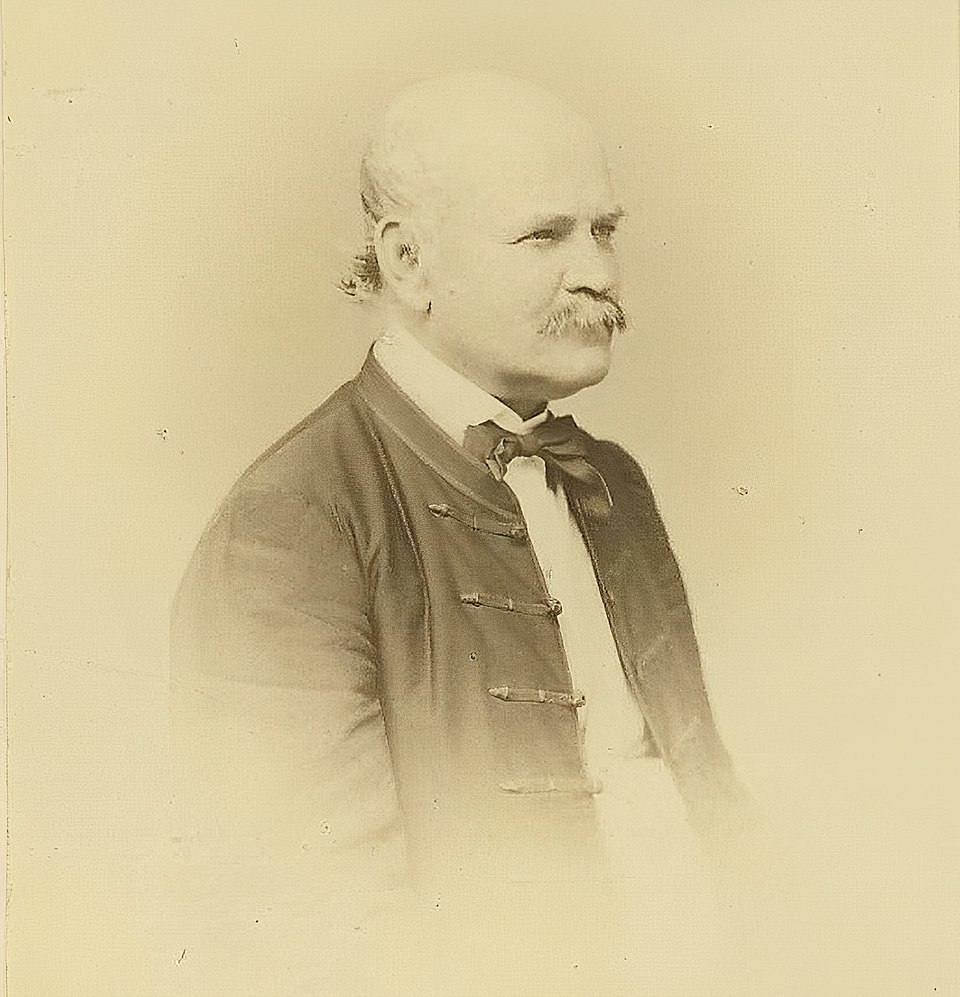
Ignaz Semmelweis

Ignaz Semmelweis was a Hungarian physician recognized for his groundbreaking contributions to medical hygiene. In the mid-19th century, he discovered that the incidence of puerperal fever could be dramatically reduced if doctors washed their hands before assisting childbirth. His advocacy for handwashing challenged the medical practices of his time, which were largely based on unchallenged certainty. Despite initial resistance from the medical community, Semmelweis's work laid the foundation for modern infection control and emphasized the importance of questioning established medical procedures. His legacy remains significant in the fields of public health and medical ethics.
Born on Jan 01, 1818 (208 years old)
Global Media Ratings
Countries Mentioned
No country-level mention data available.
Interactive World Map
Each country's color is based on "Mentions" from the table above.
Recent Mentions
 India:
Semmelweis discovered that handwashing with chlorine could significantly reduce childbirth deaths.
7
India:
Semmelweis discovered that handwashing with chlorine could significantly reduce childbirth deaths.
7
 Panama:
Ignaz Semmelweis is known as the 'savior of mothers' for demonstrating the importance of hand disinfection in obstetric clinics.
7
Panama:
Ignaz Semmelweis is known as the 'savior of mothers' for demonstrating the importance of hand disinfection in obstetric clinics.
7
 Switzerland:
Ignaz Semmelweis revolutionized medical history with his hygiene theory in the 19th century.
8
Switzerland:
Ignaz Semmelweis revolutionized medical history with his hygiene theory in the 19th century.
8
 Guatemala:
Ignaz Semmelweis campaigned for improved hygiene in clinics, discovering that hand disinfection drastically reduced maternal and newborn mortality.
7
Guatemala:
Ignaz Semmelweis campaigned for improved hygiene in clinics, discovering that hand disinfection drastically reduced maternal and newborn mortality.
7
Guatemala:
Ignaz Semmelweis campaigned for better hand hygiene in clinics during the 19th century.
8
Panama:
Ignaz Semmelweis implemented a handwashing system to reduce mortality in maternity wards.
7
Guatemala:
Ignaz Semmelweis is noted for daring to question hospital procedures of his time and discovering that handwashing could reduce mortality.
9