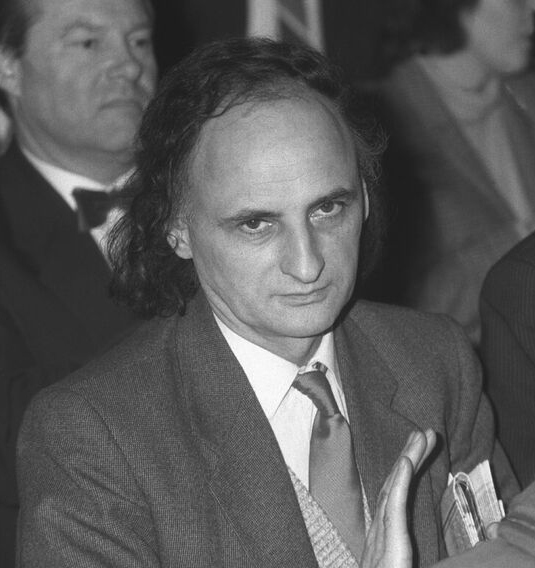
Vadim Vieru

Vadim Vieru is the director of programs at Promo-LEX, an organization dedicated to monitoring human rights in the Transnistrian region of Moldova. He has been vocal about the systemic issues surrounding abductions and the lack of accountability for abuses, emphasizing the need for legal reforms and the importance of addressing these human rights violations in the context of ongoing tensions in the region.
Global Media Ratings
Countries Mentioned
| Country | Mentions | Sentiment | Dominance | + Persistence | x Population | = Reach | x GDP (millions) | = Power |
|---|---|---|---|---|---|---|---|---|
| Moldova | 1 | 4.00 | 0.33% | +0% | 4,033,963 | 13,226 | $12,000 | 39$ |
| Totals | 1 | 4,033,963 | 13,226 | $12,000 | 39$ |
Interactive World Map
Each country's color is based on "Mentions" from the table above.
Recent Mentions
 Moldova:
Vadim Vieru is a lawyer who expressed skepticism about the legal proceedings against Stoianoglo.
4
Moldova:
Vadim Vieru is a lawyer who expressed skepticism about the legal proceedings against Stoianoglo.
4
Moldova:
Vadim Vieru is the lawyer representing Julieta Savițchi in her case against the government.
8
Moldova:
Vadim Vieru discusses the anti-SLAPP legislation and the accompanying wave of misinformation.
7
Moldova:
Vadim Vieru discusses the anti-SLAPP law and the accompanying wave of disinformation.
7
Moldova:
Vadim Vieru argues that the anti-SLAPP mechanism is necessary and does not serve to protect the government.
7
Moldova:
Vadim Vieru is the Program Director at the Promo-LEX Association, emphasizing the need for serious investigations into medical negligence cases.
8
Moldova:
Vadim Vieru is the author of the report discussing the responsibility of the Russian Federation for violations of the Convention in the Transnistrian region.
7
Moldova:
Vadim Vieru suggested that the Parliament's decision could generate a regression in the next European Commission report.
3
Moldova:
Vadim Vieru is a lawyer and program director at Promo-LEX who wrote an editorial about the 34th anniversary of the Nistru war.
8
Moldova:
Vadim Vieru commented on the problematic nature of revoking the pardon for Nicolae Șepeli.
5