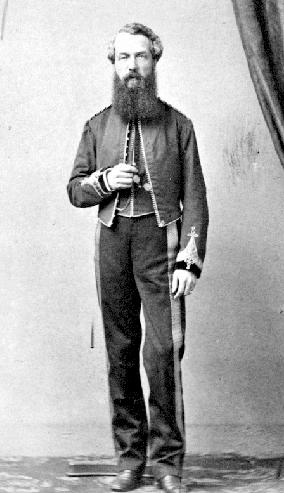
Richard Moody

Richard Moody was a 19th-century British colonial administrator and the Chief Commissioner of Lands and Works for the Colony of British Columbia. He played a significant role in the early development of the province, overseeing land management and settlement issues during a time of significant change and tension between Indigenous peoples and colonial authorities. Moody's actions, particularly regarding land transactions, have been scrutinized in light of historical agreements with Indigenous groups, including the Cowichan Nation, who are currently asserting their Aboriginal title in court.
Global Media Ratings
Countries Mentioned
No country-level mention data available.
Interactive World Map
Each country's color is based on "Mentions" from the table above.
Recent Mentions
 Panama:
Richard Moody was appointed as the first civil governor of the British colony.
6
Panama:
Richard Moody was appointed as the first civil governor of the British colony.
6
 Canada:
Richard Moody was the Crown agent tasked with ensuring that the reserves were created.
5
Canada:
Richard Moody was the Crown agent tasked with ensuring that the reserves were created.
5
Canada:
Richard Moody, the Crown agent who was tasked with ensuring that the reserves were created at the sites of the settlements, made the first purchase.
5
Canada:
Richard Moody was the Chief Commissioner of Lands and Works who purchased land intended for the Cowichan Tribes in the 1800s.
3
Canada:
Richard Moody was the Chief Commissioner of Lands and Works for the Colony of British Columbia involved in the sale of Cowichan lands.
3