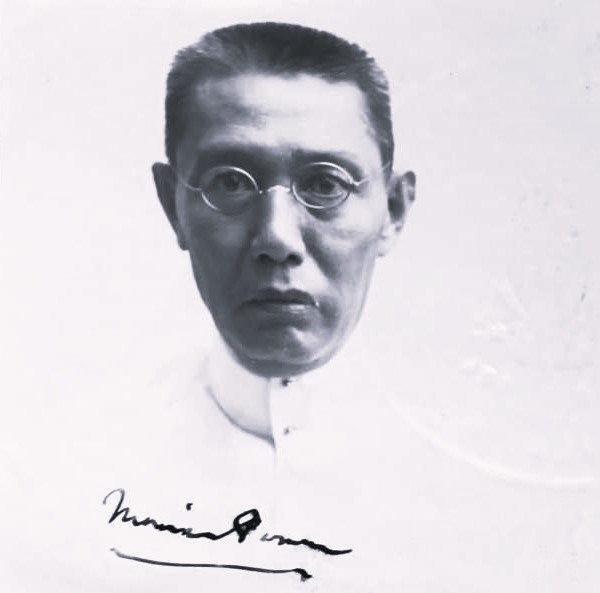
Marcelo Ponce

Marcelo Ponce is the president of the association Argentinos en Andorra, representing the interests of Argentine workers in Andorra. He has been actively involved in addressing the challenges faced by seasonal workers, particularly regarding housing and employment conditions. Recently, he announced that between 100 and 120 Argentine workers are expected to transition to general quotas after the winter season, highlighting the successful winter season and the ongoing housing crisis for expatriates.
Global Media Ratings
Countries Mentioned
No country-level mention data available.
Interactive World Map
Each country's color is based on "Mentions" from the table above.
Recent Mentions
 Argentina:
Marcelo Ponce is a lawyer who announced the postponement of Nicolás Gabriel Soria's declaration.
5
Argentina:
Marcelo Ponce is a lawyer who announced the postponement of Nicolás Gabriel Soria's declaration.
5
 Andorra:
Marcelo Ponce, the president of Argentinos en Andorra, stressed the importance of providing clear information to migrant workers.
6
Andorra:
Marcelo Ponce, the president of Argentinos en Andorra, stressed the importance of providing clear information to migrant workers.
6
Andorra:
Marcelo Ponce is the coach of the men's under-18 rugby team of Andorra.
7
Andorra:
Marcelo Ponce advocates for prevention and balance in family reunifications and expulsions of Argentinians in Andorra.
8
Andorra:
Marcelo Ponce has defended that the debate on family reunifications and expulsions should be approached with balance, prior information, and more prevention.
8
Andorra:
Marcelo Ponce expressed the association's concern about the continuity of temporary workers in Pas de la Casa until the end of the season.
6
Andorra:
Marcelo Ponce, the president of Argentinos in Andorra, expresses concern about the ability of employers to maintain seasonal workers until the end of the season.
6
Andorra:
Marcelo Ponce, president of Argentinos in Andorra, described the platform as an interesting project but emphasized the need to address reality.
6
Andorra:
Marcelo Ponce is the president of Argentinos en Andorra and has reported on the impact of the Entry/Exit System on family reunification requests.
6
Andorra:
Marcelo Ponce, president of Argentinos en Andorra, described the situation for many temporary workers as precarious.
6