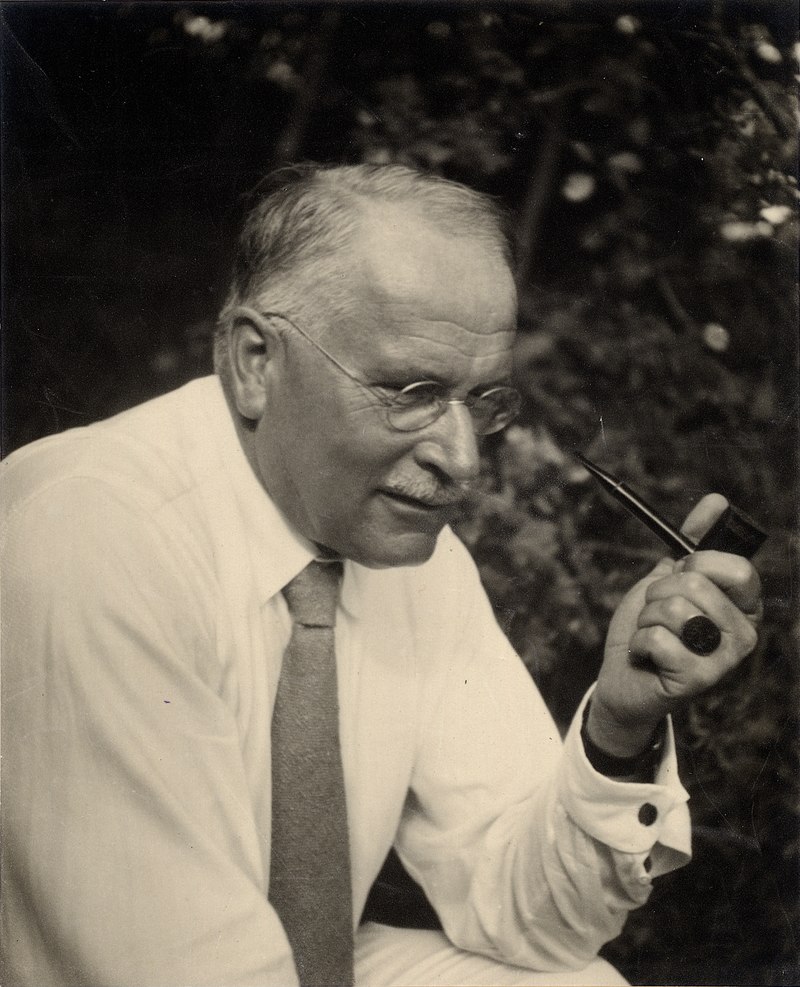
Carl Gustav Jung

Carl Gustav Jung was a Swiss psychiatrist and psychoanalyst who founded analytical psychology. His work has had a profound impact on psychology, art, literature, and religion. Jung introduced several key concepts, including the ideas of the collective unconscious, archetypes, and the process of individuation. His exploration of the psyche and the balance between conscious and unconscious thought has influenced various fields and remains relevant in contemporary discussions about mental health and self-understanding.
Born on Jul 26, 1875 (151 years old)
Global Media Ratings
Countries Mentioned
No country-level mention data available.
Interactive World Map
Each country's color is based on "Mentions" from the table above.
Recent Mentions
 India:
Carl Gustav Jung was a Swiss psychiatrist who lived from 1875 to 1961, and he is regarded as one of the founders of modern psychology.
9
India:
Carl Gustav Jung was a Swiss psychiatrist who lived from 1875 to 1961, and he is regarded as one of the founders of modern psychology.
9
 Switzerland:
Carl Gustav Jung's theories suggest that nations develop a collective mentality based on historical experiences.
5
Switzerland:
Carl Gustav Jung's theories suggest that nations develop a collective mentality based on historical experiences.
5
 Norway:
He described how humans have both introverted and extroverted sides.
7
Norway:
He described how humans have both introverted and extroverted sides.
7
Switzerland:
Carl Gustav Jung was initially seen as Freud's successor but later had a falling out with him.
5
Switzerland:
Carl Gustav Jung's experiences with séances influenced his research on the human psyche.
7
Switzerland:
Carl Gustav Jung was a prominent Swiss psychiatrist who developed analytical psychology and had a significant impact on modern psychology.
7
 Serbia:
Carl Gustav Jung's theory of the month of birth offers an interesting insight into how natural cycles can shape the human psyche.
8
Serbia:
Carl Gustav Jung's theory of the month of birth offers an interesting insight into how natural cycles can shape the human psyche.
8
Switzerland:
Carl Gustav Jung is mentioned for his interest in Eastern philosophies.
5
 Venezuela:
Carl Gustav Jung interpreted religions as expressions of the collective unconscious, where symbols and archetypes convey universal experiences.
9
Venezuela:
Carl Gustav Jung interpreted religions as expressions of the collective unconscious, where symbols and archetypes convey universal experiences.
9
Switzerland:
Carl Gustav Jung is known as the founder of analytical psychology.
5